AI Agent Permission Revocation: Why Mensah Needed a Failed Purchase as Proof
Your AI agent is disconnected. Can it still spend? Use this revocation test before a forgotten permission becomes a financial incident.

The Unreliable Final Step at 8:12, and What Publishing It Could Cost
Your AI launch video shows a result the live build cannot deliver. Here is how to fix the claim before customers test it.

Kabelo’s unproven demand. One AI hire could force a choice between payroll and models.
Before hiring an AI engineer, decide which risk your runway can carry: technical gaps, uncertain demand, or less time to learn.

Should You Delete the Expansion Slide After Your Rival Raises $250 Million?
A rival raised $250 million. Before copying its expansion map, test whether customer evidence, operating capacity and revenue support yours.

AI Video Model Updates: Why Tunde Shipped the Tested Version Before Launch
Your AI video model changed hours before launch. Use this decision rule to protect the release without ignoring a better model.

The Quarter the 6:12 a.m. Contract Could Consume, and What It Might Delay
Should you take the contract or protect the roadmap? Use this practical test before one large offer consumes your product quarter.

Kojo's private deployment dilemma. Six months of product work are at risk.
A prestigious partnership can hide a second product. See how one founder protected his roadmap without closing the door on the deal.
Can We Call a Workflow Autonomous If a Person Must Rescue It?
Before your AI product launch goes live, test every voiceover claim against the workflow customers will actually use.

AI Startup Runway Planning: Why Kabelo Kept Customer Insight Over Compute
When cash can fund AI inference or customer insight, which do you keep? A Pretoria founder makes the call with runway at risk.

The Dormant Deck You Reopened at 6:43 A.M., and What It Could Cost
Another African unicorn raised. Should you reopen your deck, or get back to work? Use this test before the news rewrites your plan.

Kweku’s failed payroll. Four hours to pay nine employees without paying twice.
A payroll payment fails on Friday. Learn how to classify the failure, communicate early and trigger a safe fallback before trust breaks.

Should We Rebuild Monday’s Campaign When a Better AI Video Model Arrives?
Should a new AI video model derail your weekend roadmap? Use this test before rebuilding Monday’s launch campaign.

AI Demo Connectivity Testing: What a Wi-Fi Drop Taught Lwazi About Recovery
Your AI demo works on office Wi-Fi. What happens when a customer’s connection drops halfway through the task?

The Separate Deployment Kofi Refused, and the Runway It Put at Risk
A renewal promised nine months of runway, but its hidden product cost forced a founder to price the roadmap before signing.

Kojo’s API provider reached his customer first. A renewal and two deals were at risk.
What would remain if your AI provider emailed customers first? A founder’s renewal call reveals where product value really lives.

Can I Defend Every Claim in My AI-Generated Launch Video?
Your launch video looks finished. One question reveals whether its strongest product claim is tested, qualified or merely generated.

AI Model Usage Costs: Why Kabelo Chose Payroll and a Smaller Demo
When AI model costs collide with payroll, this founder’s Friday decision shows what to protect, pause and measure before Monday.

The 79 Days New Coke Lasted, and What a Term Sheet Could Make Permanent
A term sheet fixes runway, but at what strategic price? Learn how to test whether an investor’s market thesis should become your company.
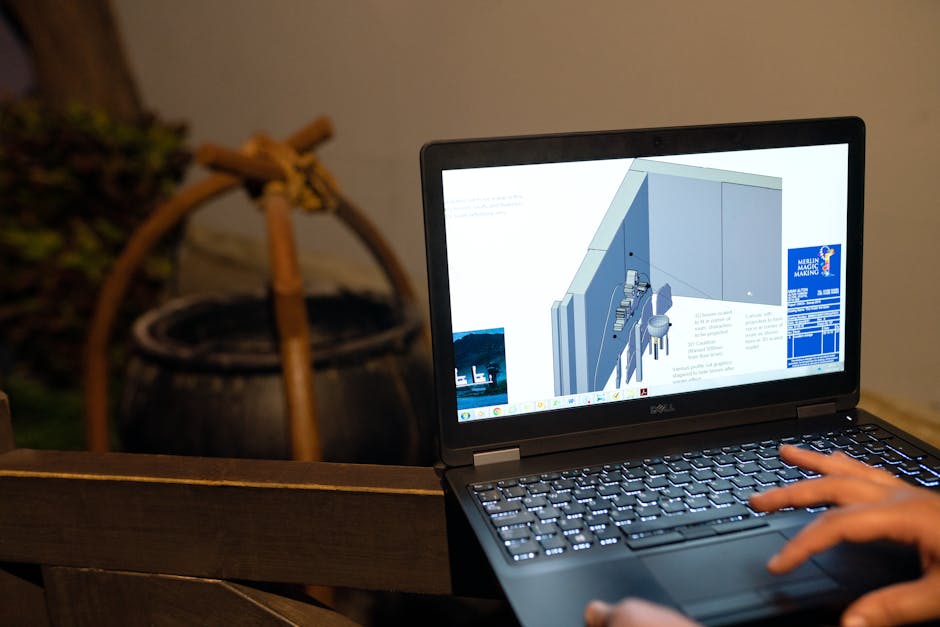
Kojo’s Vanished CAD Queue. One Wrong Yes Could Cost the Pilot.
When AI clears the CAD queue before lunch, a hardware founder discovers the product decisions that engineering delays used to hide.

What Should You Do When the API Will Miss a Customer’s Renewal Deadline?
Your API will miss renewal. Learn when a temporary patch protects the customer, and when an honest reset is the safer decision.