A polished AI feature should be paused when merchant tests reveal that its data stops before the working day does. If cash, paper and an unresolved balance still decide whether the books close, the feature is automating an incomplete version of the business.
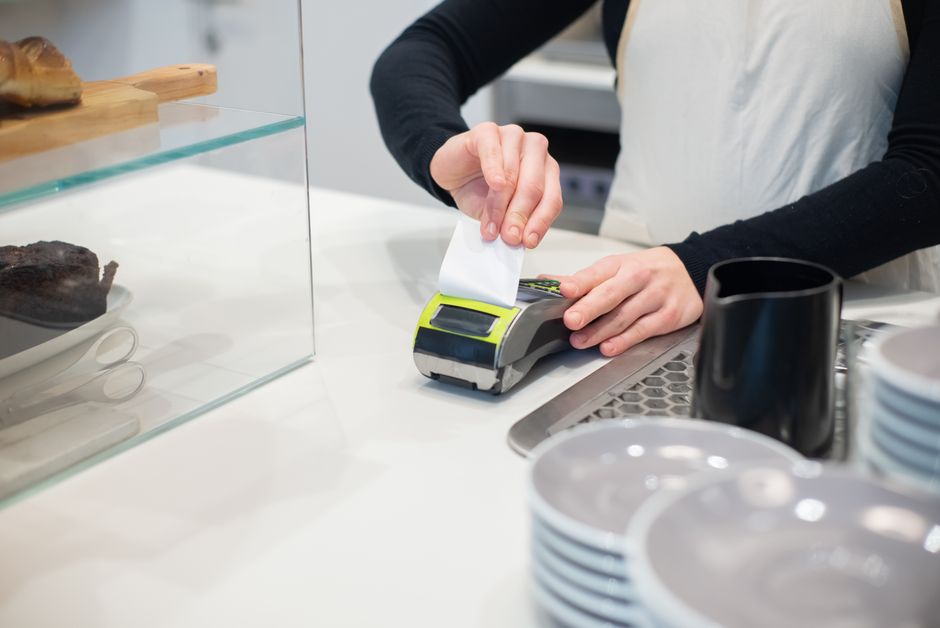
Consider Youssef, an illustrative composite of a Tunisian founder. At 4:40 on a warm afternoon in Tunis, he stood behind the counter of a small home-goods shop while the merchant counted banknotes beside a paper ledger. Youssef’s release candidate was open on his laptop, polished enough for the launch screenshots already waiting in a shared folder.
The AI assistant had categorized every digital payment correctly. It had produced a clean daily summary. Then the merchant tapped the paper ledger and pointed to three cash sales, one return and a supplier payment that had happened outside the system.
The balance on Youssef’s screen was wrong.
The demo finished before the merchant did
The feature worked exactly as designed. That was the problem.
Youssef’s team had built around the transactions they could see: card payments, transfers and invoices already recorded in the product. The model could explain movements, flag unusual entries and prepare a useful summary from that data.
But the merchant’s working day continued across several surfaces. A customer paid in cash. A return was written on paper because the queue was growing. A supplier collected part of an outstanding payment. By closing time, the AI had a confident explanation for an incomplete record.
The merchant asked a simple question: “What do I do with the difference?”
There was no credible answer in the release.
Youssef could ship on Monday and hope early adopters treated the gap as a minor limitation. The launch plan, partner messages and product screenshots were ready. Pausing would cost time and force an uncomfortable conversation with a team that had already spent weeks refining the interface.
Shipping created a worse possibility. A merchant could trust the summary, close the day with the wrong balance and discover the missing cash only after staff had gone home. Once the product became associated with uncertainty at closing time, a better model would not repair that trust quickly.
So Youssef stopped the release that afternoon.
The missing step carried the real risk
Founders often test whether an AI output is accurate against the data provided. That test matters, but it can miss the larger failure: whether the product has the data required to answer the customer’s actual question.
The merchant did not need a technically correct summary of recorded transactions. He needed to know why the money in the drawer, the entries on paper and the amount on screen did not agree.
That distinction changes the product decision.
The team did not need to begin with a more capable model. They needed to make the cash step visible. They mapped what happened between the final sale and the moment the merchant considered the day closed. They found where returns, partial payments and handwritten corrections entered the process, then identified which gaps the product could ask the merchant to resolve.
This is the same discipline behind making the cash step visible before a fintech launch. The useful question is rarely “Does the feature work?” It is “Can the customer finish the job when reality refuses to stay inside the interface?”
A pause can protect the roadmap
Stopping a polished release feels expensive because the visible work is already done. The buttons behave correctly. The model responds quickly. The launch materials make the feature look finished.
Yet polish can make a weak assumption harder to challenge. Every completed screen adds pressure to preserve the plan.
I would treat a merchant test like this as a roadmap decision, not a request for one more feature. The unresolved balance reveals where the product boundary was drawn incorrectly. Adding a small cash-entry box might help, but only if it matches how the merchant closes the day. Otherwise, the team has moved the missing step without solving it.
Before rescheduling the release, I would ask the merchant to complete another closing session using the revised flow. No guided demo. No founder explaining what each field means. The test ends when the merchant can account for the difference and say what still needs attention tomorrow.
The AI earns its place after that workflow holds.
The next closing session
When Youssef returned to the shop, the interface looked less impressive than the original release candidate. It asked the merchant to confirm the cash total, record any off-system payment and resolve the remaining difference before generating the summary.
The merchant entered the final adjustment, checked the figure against the notes beside the register and closed the laptop without asking Youssef what to do next.
That quiet ending mattered more than the launch screenshots.
For the next feature test, stay until the customer finishes the working day. Watch what moves to paper, what gets remembered later and what never reaches the product. If the final balance still depends on an explanation from the founder, the release is not ready.
Comments
No comments yet.